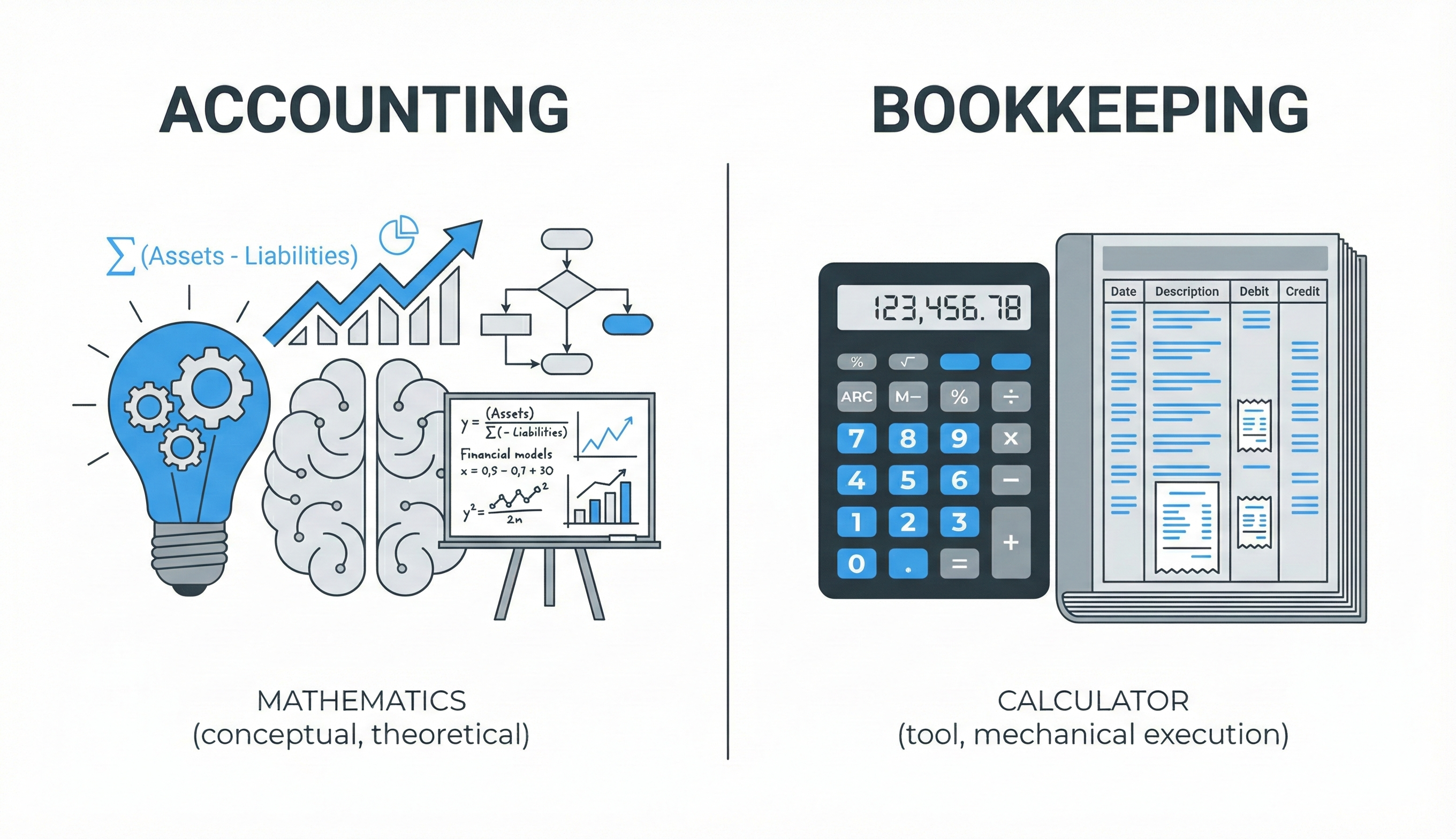
For the last two decades, the answer to "Which bookkeeping software for small business should I use?" was almost always the same: QuickBooks.
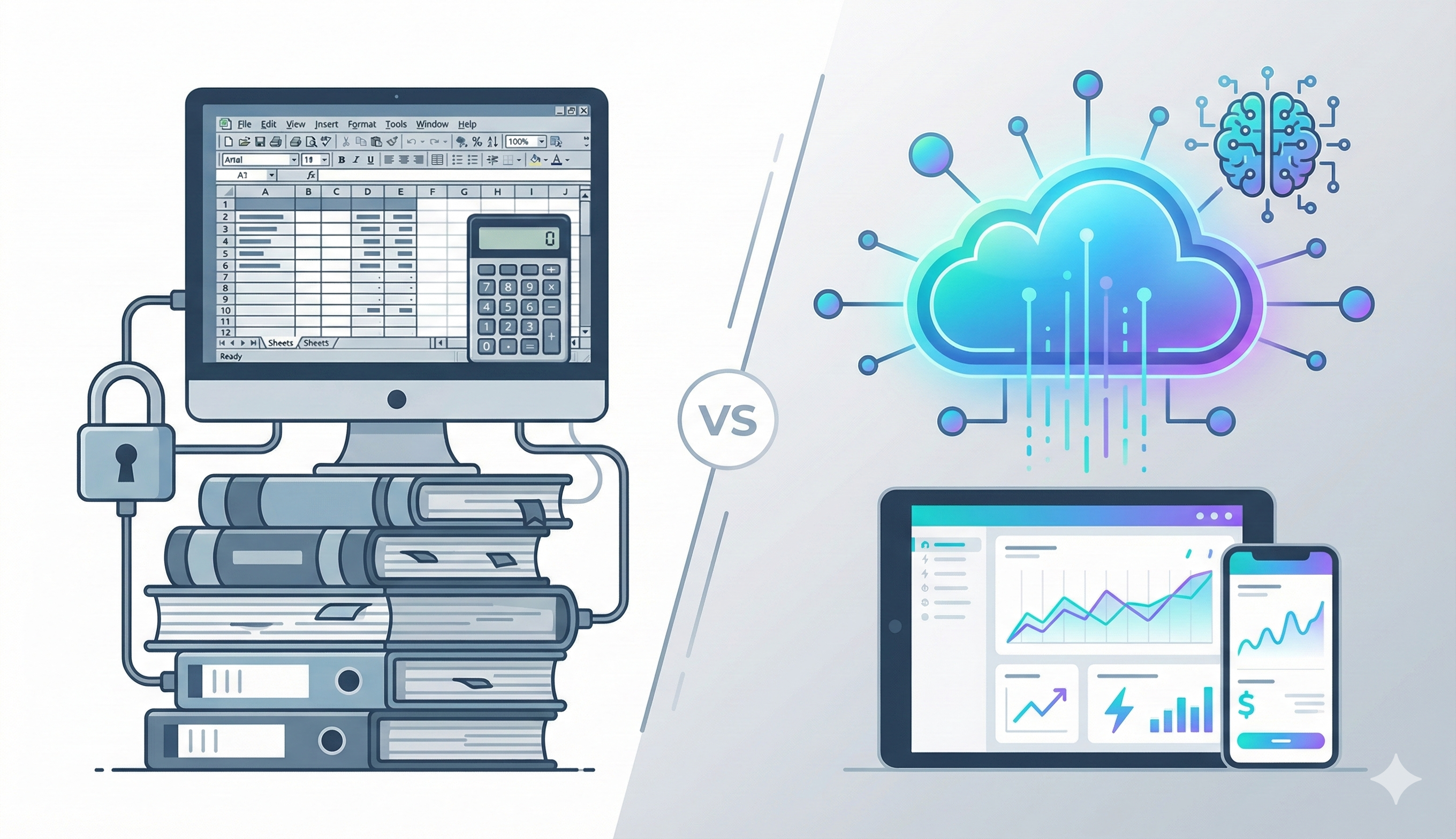
It became the Kleenex of accounting—the default choice for everyone from plumbers to tech startups. But in 2026, the landscape has shifted. A new wave of AI-native, design-forward financial platforms has arrived, and they aren't just competing with QuickBooks; they are actively eating its lunch.
If you are setting up your books for the new year—especially with the new tracking requirements for tax-free tips and overtime—it is time to ask: Is the legacy giant still the best choice, or should you look at the disruptors?
The Incumbent: QuickBooks Online (QBO)
QuickBooks is the 800-pound gorilla of the industry. Its dominance comes from being the "safe" choice.
The Pros:
-
Universal Support: Every CPA, bookkeeper, and tax preparer knows how to use it. You will never struggle to find a professional who can log into your file.
-
The Ecosystem: It integrates with almost everything—payroll, inventory, time-tracking, and CRM tools.
-
Comprehensive: It handles complex inventory, job costing, and multi-currency issues that lighter tools often miss.
The Cons:
-
Feature Bloat: For many small business owners, QBO feels cluttered. You end up paying for features you never use.
-
Legacy Feel: Despite updates, the underlying architecture is older. Reconciliations can feel manual, and the "AI" features often feel bolted on rather than built-in.
-
Price Creep: Fees have consistently risen, making it a significant line item for smaller entities.
The Disruptors: Puzzle.io and Kick.co
While QuickBooks tries to be everything to everyone, new entrants are winning by being specific and automated. They are targeting specific verticals (like startups or creators) and solving their problems better than a generalist tool ever could.
1. Puzzle.io: The Startup Specialist
If you run a modern startup, you likely use Stripe for revenue, Brex or Mercury for banking, and Gusto for payroll. QuickBooks can connect to these, but Puzzle.io was built for them.
-
The Difference: Puzzle is "AI-native." It doesn't just pull bank feeds; it uses autonomous agents to categorize transactions based on deep data from your tech stack. It drafts financial statements in real-time, giving founders a live look at burn rate and runway without waiting for month-end close.
-
Why It Wins: It removes the manual "mapping" work. For a SaaS company or high-growth startup, Puzzle feels like a modern software tool, whereas QuickBooks can feel like a digitized ledger from the 1990s.
2. Kick.co: The Creator & Solopreneur Specialist
The economy has shifted toward freelancers, influencers, and digital creators. These business owners don't need complex inventory management; they need fast, easy expense tracking to maximize deductions.
-
The Difference: Kick targets the modern solopreneur who wants to stay compliant without becoming an accountant. It focuses on catching every deduction (crucial for the new "No Tax on Tips/Overtime" laws) and offers an interface that feels more like a consumer app than enterprise software.
-
Why It Wins: QuickBooks is often "overkill" for a creator. Kick simplifies the process, stripping away the bloat and focusing purely on cash flow and tax savings.
Why QuickBooks is Losing "Lunch"
The reason these new entrants are gaining ground is Verticalization.
QuickBooks is a generalist. It has to work for a construction company and a graphic designer. This means the construction company lacks deep features, and the graphic designer is overwhelmed by complex menus.
Disruptors like Puzzle and Kick are "unbundling" accounting. They are betting that a piece of software built specifically for your business model will always outperform a generic tool.
Conclusion: Which Should You Choose?
If your business has complex needs—like inventory management, job costing, or construction retainage—QuickBooks remains the gold standard. Its depth is unmatched.
However, if you are a digital-first startup or a modern solopreneur, the disruptors offer a compelling alternative. They automate the busy work that QuickBooks often requires you to do manually.
Still unsure? The best software is the one that gives you accurate numbers when you need them. Contact us today, and we can help you select and implement the right bookkeeping software for small business success.